
Bipolar 1 vs 2: Understanding the Key Differences in Bipolar Disorder Types
Bipolar disorder is a complex mental health condition that affects millions of people worldwide. Characterized by extreme mood swings, it can disrupt daily life, relationships, and work. Understanding the different bipolar disorder types, especially the distinctions between Bipolar 1 and Bipolar 2, is essential for proper diagnosis and treatment.
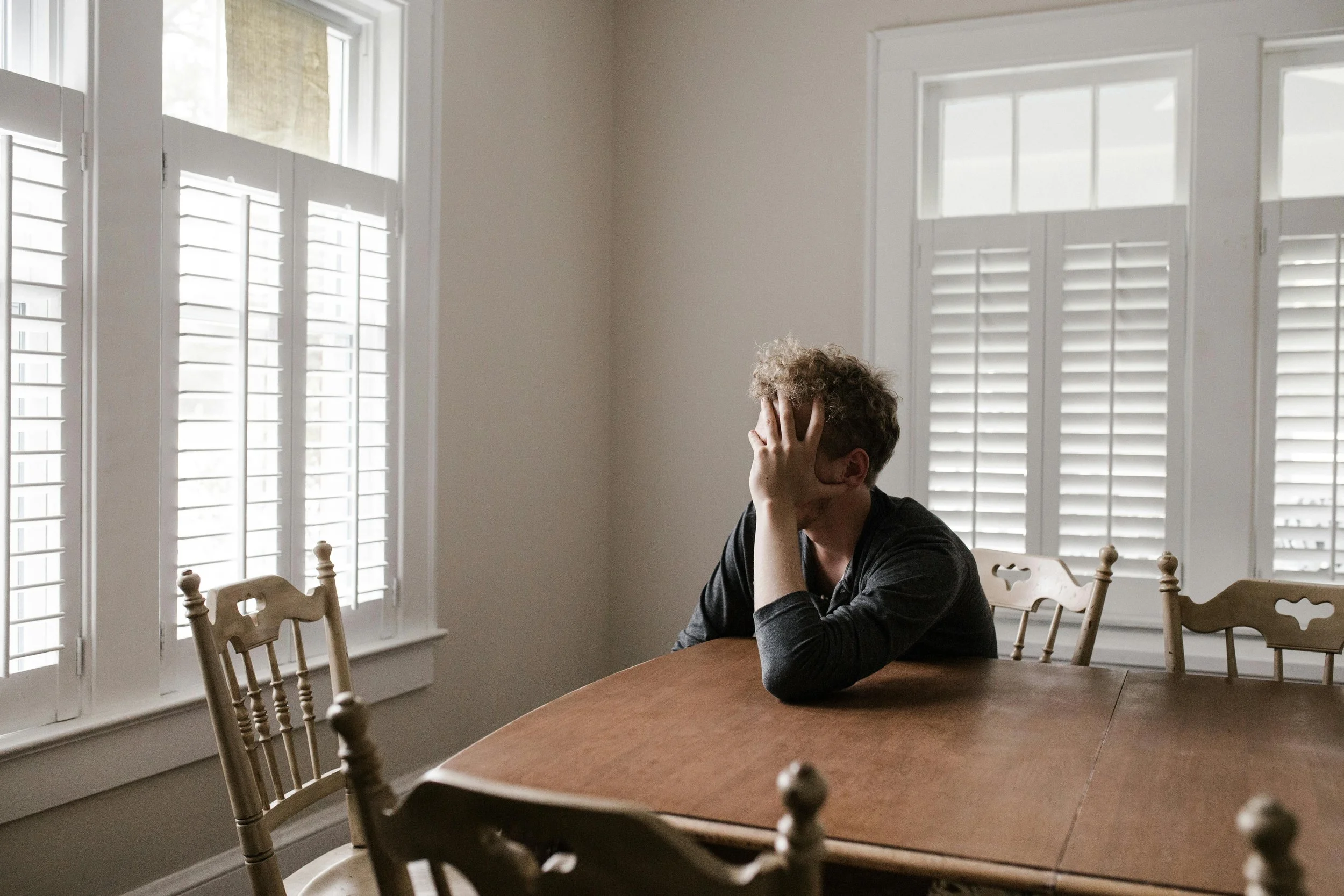
What is Bipolar Disorder?
Bipolar disorder is a mood disorder that involves periods of intense emotional highs and lows. These mood swings go beyond typical emotional fluctuations and can significantly impact daily functioning. The highs, known as mania or hypomania, may lead to increased energy, impulsive decisions, and sometimes risky behavior. The lows, or depressive episodes, often cause sadness, fatigue, and a lack of interest in activities.
Understanding bipolar disorder types is critical because each type has unique characteristics and treatment requirements. Misdiagnosis can lead to ineffective treatment and prolonged suffering, making early and accurate assessment essential.
Bipolar 1 vs Bipolar 2: Key Differences
One of the most common questions about mood disorders is: What’s the difference between bipolar 1 and bipolar 2? While they share similarities, there are key distinctions that influence diagnosis and treatment.
| Feature | Bipolar I | Bipolar II |
|---|---|---|
| Manic Episodes | Severe, often requiring hospitalization | Less severe (hypomania), typically does not require hospitalization |
| Depressive Episodes | Often present but may be shorter | More frequent and longer-lasting |
| Mood Fluctuation | Highs more extreme | Highs less extreme, lows more prominent |
| Functionality | May significantly impair daily life | Can still function, though depression impacts quality of life |
Bipolar 1 is marked by full-blown manic episodes that can be disruptive and potentially dangerous. Bipolar 2, on the other hand, involves hypomania, a milder form of mania, combined with significant depressive episodes. Understanding this distinction is crucial for effective treatment and management.
Symptoms of Bipolar 1
Bipolar 1 symptoms are typically more intense and can include both manic and depressive episodes.
Manic Symptoms:
Feeling extremely energetic, euphoric, or irritable
Rapid speech and racing thoughts
Impulsive or risky behavior, such as spending sprees or unsafe activities
Decreased need for sleep without feeling tired
Inflated self-esteem or grandiose ideas
Depressive Symptoms:
Persistent sadness or hopelessness
Fatigue and low energy
Difficulty concentrating or making decisions
Changes in sleep or appetite
Thoughts of self-harm in severe cases
The intensity of mania in Bipolar 1 often leads to hospitalization or significant disruption in work, school, or personal relationships. Early recognition of these symptoms is critical to prevent serious consequences.
Symptoms of Bipolar 2
Bipolar 2 symptoms involve hypomanic episodes and depressive episodes. Hypomania is a less severe form of mania but still noticeable in behavior and mood.
Hypomanic Symptoms:
Elevated or irritable mood
Increased productivity or creativity
More talkative than usual
Restlessness and increased goal-directed activity
Often mistaken for high energy or positive personality traits
Depressive Symptoms:
Long-lasting sadness or emptiness
Difficulty performing daily tasks
Fatigue or low motivation
Social withdrawal
Feelings of worthlessness or guilt
While hypomania may seem manageable, the depressive episodes in Bipolar 2 are often longer and more debilitating than those in Bipolar 1. This combination can make daily life and work challenging.
Severity Comparison: Which is Worse?
When considering severity, many people wonder: Which type of bipolar disorder is more severe?
Bipolar 1 is often considered more severe in terms of mania because manic episodes are intense, sometimes requiring hospitalization. However, Bipolar 2 can be just as serious because depressive episodes are often longer, more frequent, and significantly impact quality of life.
In both types, untreated symptoms can lead to strained relationships, poor job performance, and even risky or self-harming behavior. Severity is not just about mania; it’s also about the overall effect on daily functioning and mental health.
Treatment Approaches for Bipolar 1 and 2
Treatment for both Bipolar 1 and 2 involves a combination of medication, therapy, and lifestyle management, but approaches may vary depending on the type.
Medications:
Mood stabilizers (e.g., lithium, valproate) are commonly used for both types.
Antipsychotics may be necessary for severe manic episodes in Bipolar 1.
Antidepressants may be prescribed cautiously, especially in Bipolar 2, to avoid triggering hypomania.
Therapy:
Cognitive Behavioral Therapy (CBT) helps patients recognize and manage mood patterns.
Psychoeducation empowers patients to monitor early signs of episodes.
Lifestyle adjustments include regular sleep, exercise, and stress management.
Treatment is individualized, depending on symptom severity, episode frequency, and personal circumstances. Seeking guidance from a specialist, such as a bipolar psychiatric nurse practitioner in WA, helps to ensure the best outcome.
Can Bipolar 2 Turn Into Bipolar 1?
A common concern is: Can bipolar 2 turn into bipolar 1?
While rare, it is possible for hypomanic episodes in Bipolar 2 to escalate into full manic episodes, effectively shifting the diagnosis to Bipolar 1. Factors like stress, sleep deprivation, or inconsistent medication adherence can increase this risk. Regular monitoring and professional care are essential to prevent escalation and manage symptoms effectively.
Coping and Self-Care Tips
Living with bipolar disorder, whether type 1 or 2, requires ongoing attention and self-care. Some strategies include:
Maintaining a consistent sleep schedule
Managing stress through mindfulness or meditation
Keeping a mood journal to track patterns
Following prescribed medication plans carefully
Engaging in regular therapy or support groups
Early intervention and lifestyle management can significantly reduce the frequency and intensity of episodes, improving overall quality of life.
Conclusion
Understanding the difference between Bipolar 1 and 2 is critical for effective management and treatment. While Bipolar 1 involves intense manic episodes and shorter depressive episodes, Bipolar 2 is characterized by hypomania and longer, more severe depressive episodes. Both types require professional care, personalized treatment plans, and lifestyle management to ensure optimal outcomes.
Frequently Asked Questions
-
Bipolar 1 involves full manic episodes and often requires hospitalization, while Bipolar 2 features hypomanic episodes and more prolonged depressive episodes.
-
Severity varies by individual, but Bipolar 1 generally has a higher risk of psychosis and hospitalization.
-
Bipolar 1 treatment focuses on managing mania, while Bipolar 2 emphasizes treating depressive episodes and preventing hypomanic episodes.
-
While rare, some individuals may experience progression to full manic episodes, underscoring the importance of ongoing monitoring and care.